Conduct every camera
through totality.
Totality lasts two minutes and you get it once. Umbra runs your whole rig from contact-relative scripts (diamond ring, corona brackets, earthshine), firing each frame on cue with spoken cues, so your cameras bring your photographic vision to life while you stand there and actually watch the eclipse.
Download the free beta
The beta is open. Free for the whole 2026 eclipse, no account, no payment.
Be there for it
Ask anyone who has photographed a total eclipse what they regret, and it is almost never a missed frame. It is missing the eclipse. You plan for years, drive for days, and then spend the two minutes you came for with your head down, working a camera. A tester put it perfectly: after 2024 he swore off photographing eclipses entirely, because he was so busy with the camera that he never really got to look up.
That is the whole reason Umbra exists. You design your photographic vision ahead of time, down to the exposure and the second. On the day, the app conducts every camera through it and calls the moments out loud. The cameras do the working. You do the witnessing.
When the diamond ring hits, your eyes should be on the sky.
What it does
Multi-camera
Run your whole rig at once. Each body is identified by serial and labeled, so two identical cameras stay straight.
Contact-relative scripts
Times are relative to C1/C2/MAX/C3/C4 (and eclipse magnitude). Relocate 1,500 miles and your script just works.
Spoken cues
“Remove filters,” countdowns, “totality,” called aloud at the right instant. Eyes on the sky, not the laptop.
Simulate & rehearse
Scrub the whole eclipse or play it at real-time speed with your cameras firing, so you trust the rig before the one shot.
Real shutter control
Native SDK control for LUMIX, Sony and Canon, with confirmed capture and live drop-detection. Nikon and Fujifilm run on a bundled universal driver, which is slower per frame.
Scripts: by hand or AI
Hand-write contact-relative scripts (or import the .txt sequences you already use from other eclipse software), or chat with an AI assistant that builds your capture sequence for you.
Print your own solar filter
A two-part, glue-free push-on mount you 3D-print at home, sized to your exact lens, that clamps certified solar film flat with no glue or tape. Sixteen sizes from 56 mm to 227 mm, with a cutting stencil and multi-color Bambu files included. You supply the film.
Get the files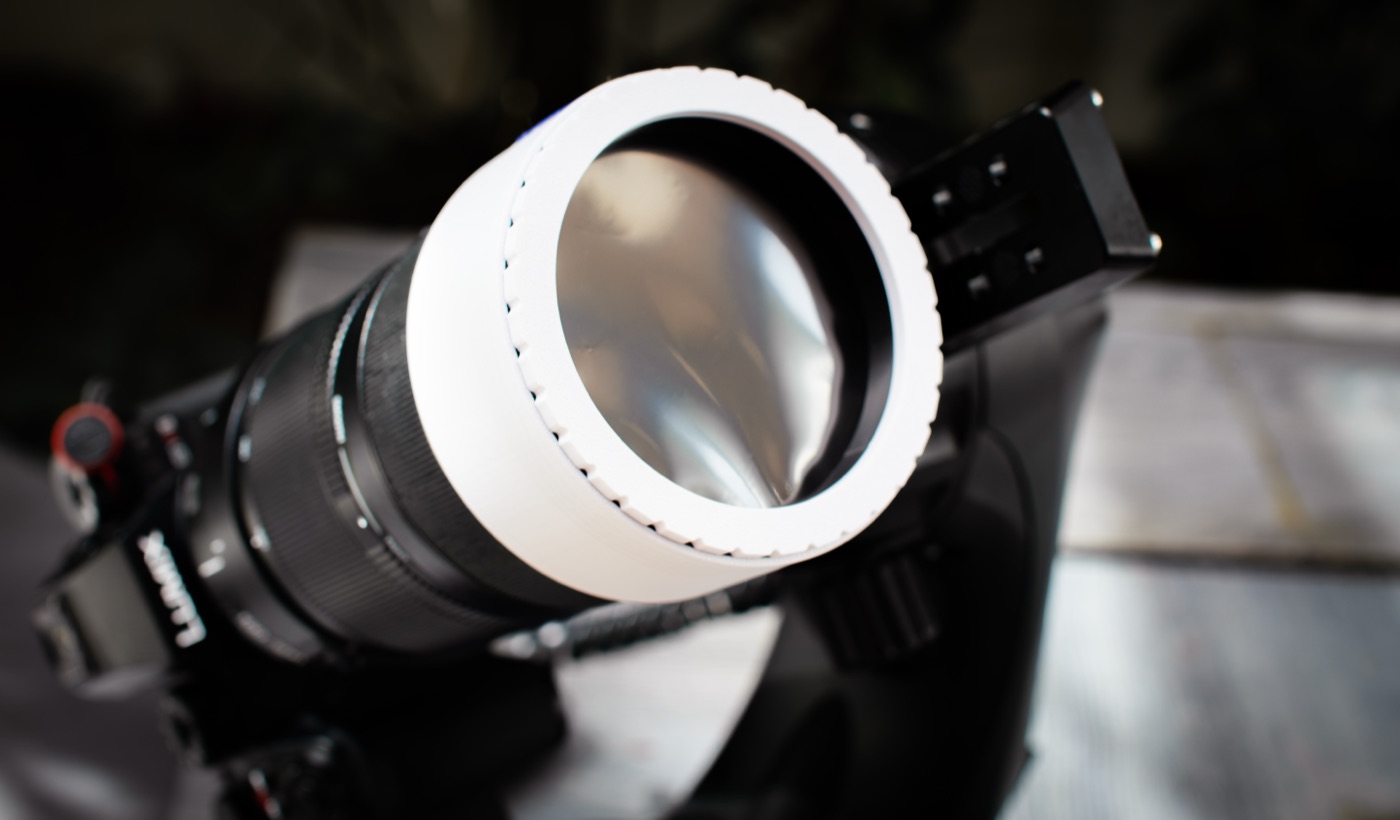
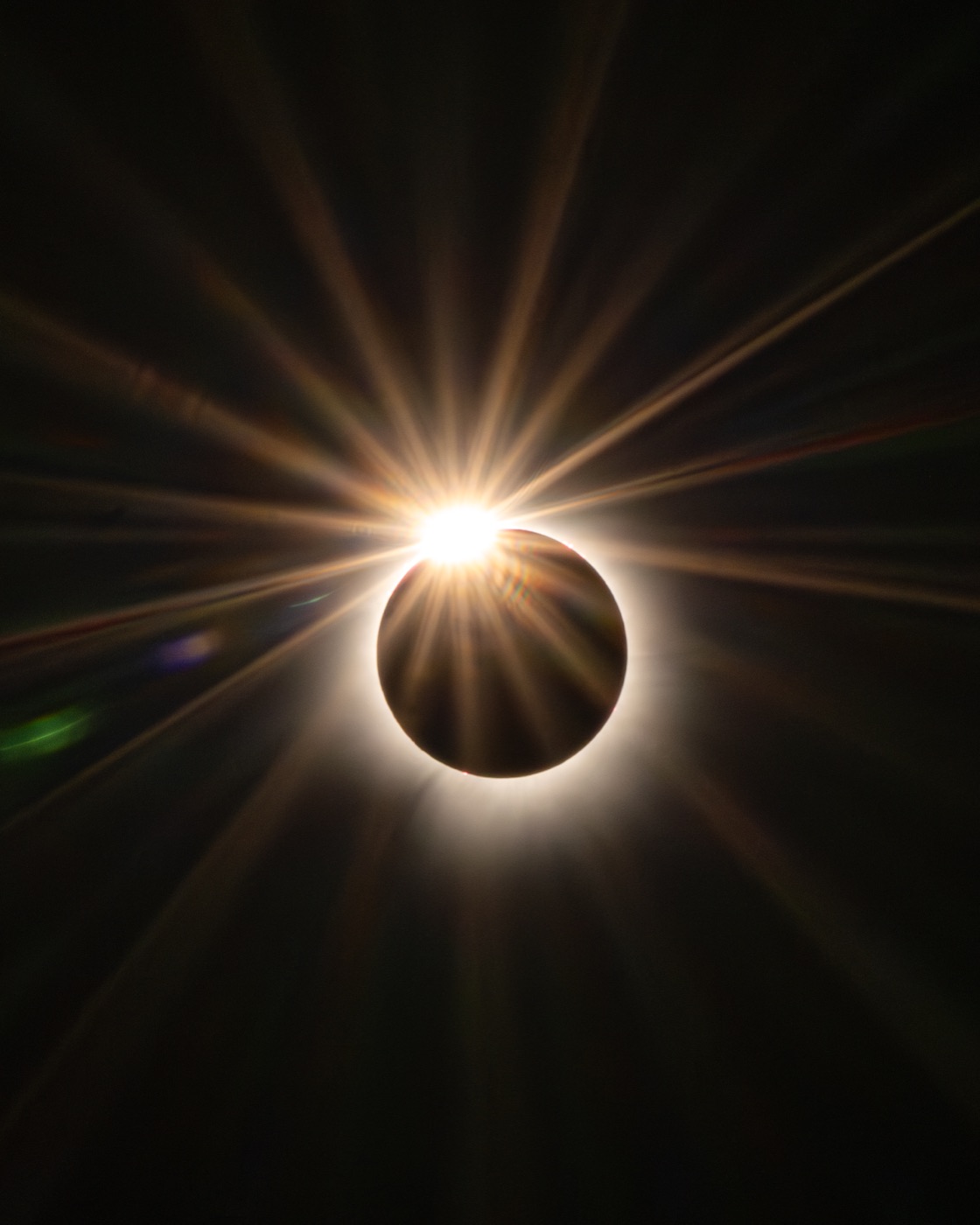
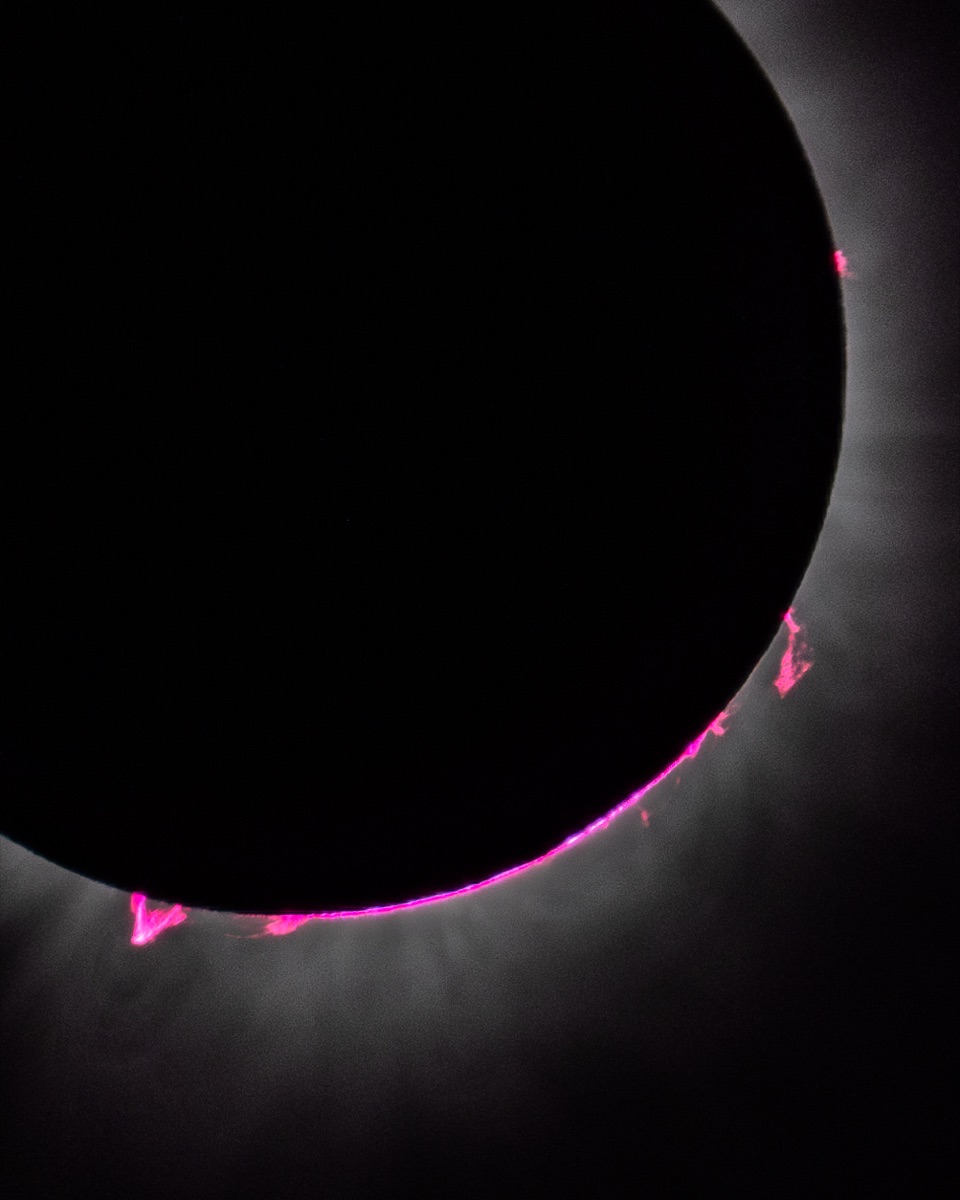
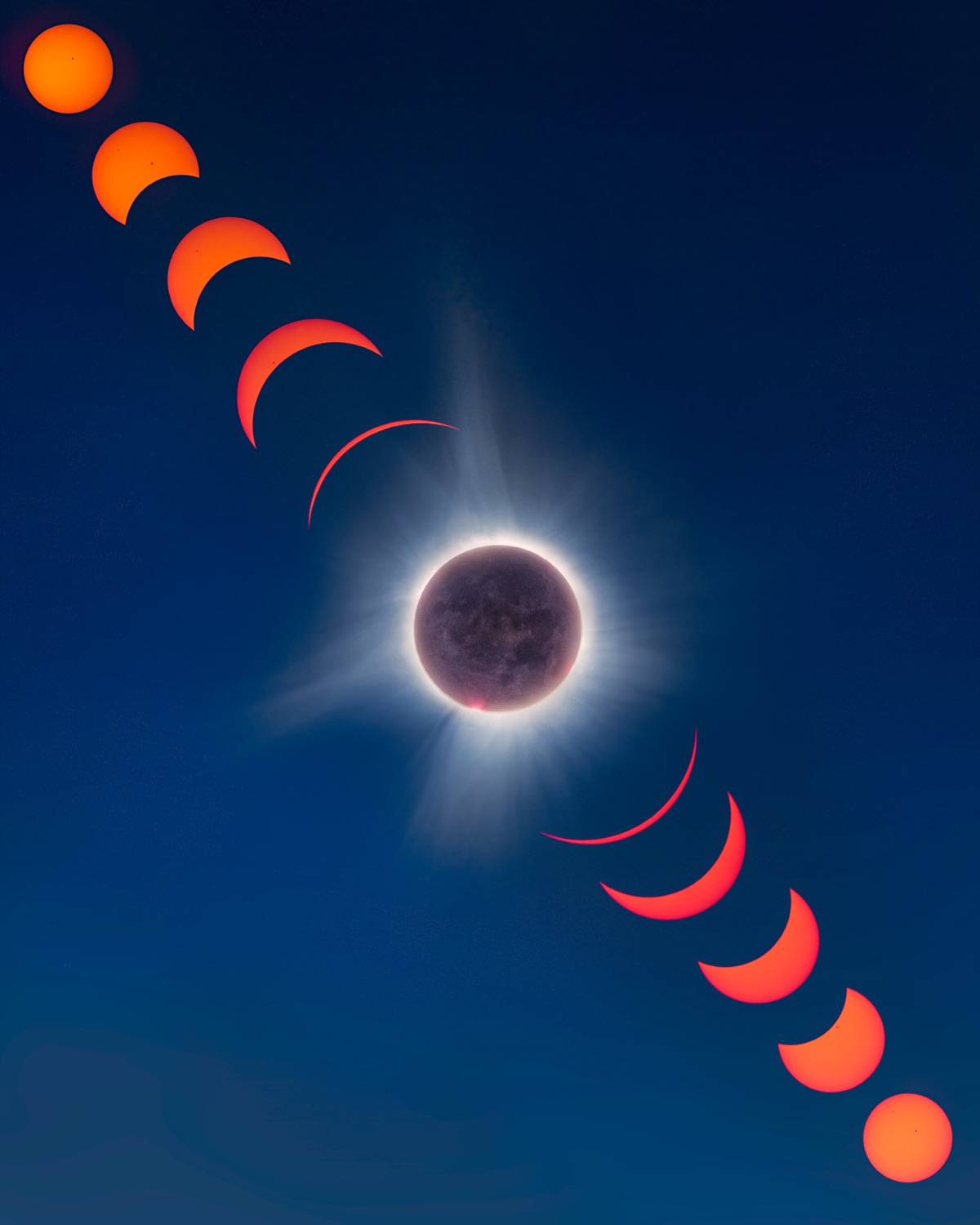
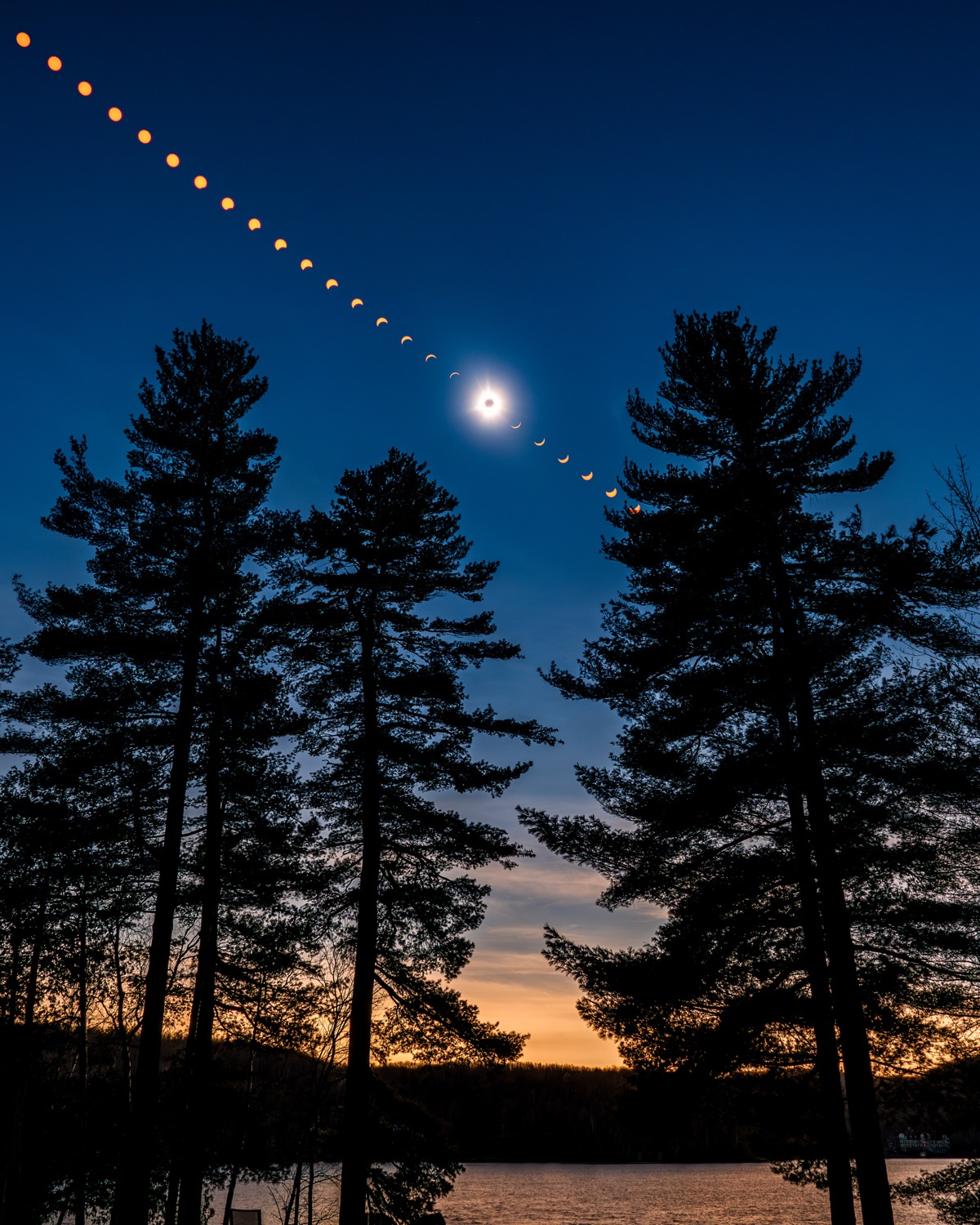
Shot with the same approach
About
Umbra is built by Steven Madow, a NASA-credentialed launch photographer and official LUMIX creator who specializes in large-scale multi-camera automation. He photographed NASA’s Artemis II launch with 14 Panasonic LUMIX cameras across seven pad positions (featured by PetaPixel and Fstoppers).
He’s shot total, annular, and partial solar eclipses and many lunar eclipses, and built Umbra as the tool he wished he had: automation that fires every camera flawlessly so he can put the remote down and actually watch totality.
Steven shoots LUMIX exclusively, so Umbra was built first and foremost for deep, native LUMIX control. It’s designed to grow: with community help it can expand to every other brand, built on open-source camera-control libraries.